Easy Honeycomb Dishcloth Free Crochet Pattern & Tutorial
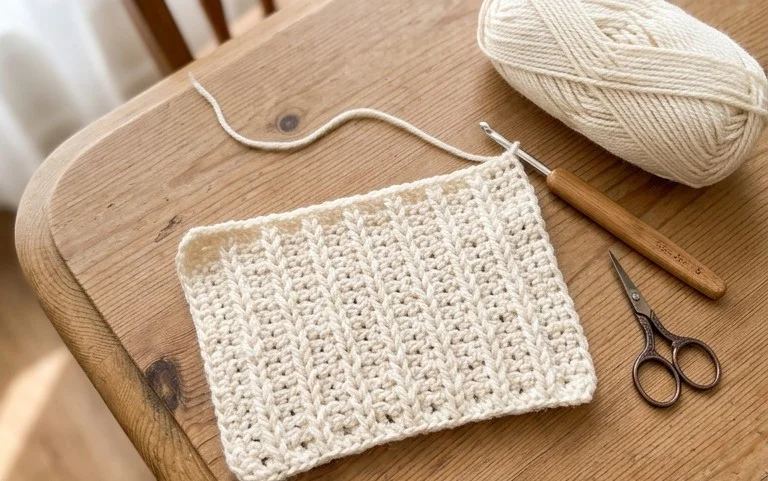
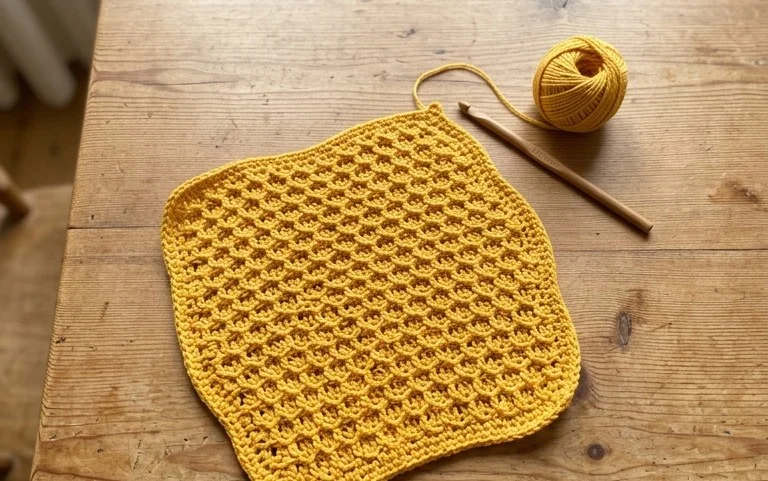
A stack of these handmade cotton cloths sitting on my kitchen counter makes every cleanup session feel a bit more intentional. The distinct hexagonal pattern creates a raised, bumpy surface that grips onto stubborn stuck-on food without scratching delicate non-stick pans. This project is a genuine treat for beginners, as you spend most of your time practicing a simple sequence that builds a dense, high-quality fabric quickly. Whether you need a quick hostess gift or just want to replace worn-out store sponges, you will learn how to alternate between basic stitches to create this modern, functional texture that actually lasts through daily heavy-duty scrubbing in the sink.
Why You’ll Love This Pattern
The Classic Crochet Dishcloth is a functional staple that works up quickly using simple, repetitive stitches. Because it uses a basic cotton blend, it remains durable through hundreds of wash cycles while providing a slight scrubby texture perfect for cleaning glassware or countertops. Beginners appreciate this project because it reinforces fundamental skills like maintaining even tension across long rows and counting stitches consistently. Since it requires less than one skein of yarn, it is an efficient way to clear out small leftover balls from your stash.
I managed to finish three of these in a single weekend. They hold up much better than the flimsy store-bought sponges and look great on the kitchen sink.
— Sarah, home crafter
Pattern Overview & Skill Level
- Skill Level: Beginner
- Approximate Time: 45–60 minutes per cloth
- Construction: Flat panel worked in rows with a decorative border
- Finished Dimensions: 8 inches by 8 inches
Materials & Supplies Needed
- Yarn: Worsted #4 weight, 100% cotton, approximately 60 yards per cloth.
- Hook Size: 5.0 mm / H-8
- Notions: Tapestry needle for weaving in ends, scissors, and optional stitch markers to track row ends.
- Safe Yarn Substitutions: Linen or bamboo blends work well but may be slightly less absorbent than 100% cotton. Acrylic yarn is not recommended for this project as it lacks the necessary absorbency for kitchen tasks.
Stitch Guide & Abbreviations (US Terms)
- ch = chain
- st(s) = stitch(es)
- sc = single crochet: Insert hook into st, yarn over, pull up a loop, yarn over, pull through both loops on hook.
- dc = double crochet: Yarn over, insert hook into st, yarn over, pull up a loop, yarn over, pull through two loops, yarn over, pull through remaining two loops.
- sl st = slip stitch: Insert hook into st, yarn over, pull through both the st and the loop on your hook.
- sk = skip
Step-by-Step Pattern Instructions
Dishcloth Base
You will work this cloth in a back-and-forth motion, turning at the end of every row.
- Foundation: Ch 30.
- Row 1: Sc in the second ch from hook and each ch across. (29 sts)
- Row 2: Ch 1, turn. Sc in the first st and each st across. (29 sts)
- Row 3: Ch 2, turn. Dc in the first st and each st across. (29 sts)
- Rows 4–28: Repeat Rows 2 and 3, ending on a Row 2 sequence. (29 sts)
Border & Finishing
Working a simple border prevents the edges from curling over time.
- Border: After completing Row 28, do not cut the yarn. Ch 1 and rotate the piece to work along the side edge. Sc evenly down the side, placing 1 sc in the end of each row.
- Corners: Work 3 sc into each corner st to keep the work flat.
- Closing: Once you have worked around all four sides, join with a sl st to the first sc of the border. Fasten off, leaving a 6-inch tail. Use your tapestry needle to weave the tail through the back of the stitches to secure it.
Care & Washing Instructions
- Machine wash in warm water on a gentle cycle to remove oils and food debris.
- Lay the cloth flat on a clean towel to air dry, reshaping it into a square while damp.
- Avoid using heavy fabric softeners, as these reduce the natural absorbency of the cotton fibers.
Pro Tips & Common Mistakes to Avoid
- Maintain consistent tension by ensuring your yarn feed is smooth; if the cloth feels stiff, move up a hook size.
- Use a stitch marker on the first stitch of every row to ensure you do not accidentally drop stitches at the corners, which causes the square to become a trapezoid.
- Weave your ends in multiple directions within the fabric to prevent them from coming loose during vigorous scrubbing.
- Adjust the foundation chain count to change the size; add or subtract multiples of two to maintain the integrity of the stitch pattern.
Frequently Asked Questions
Can I use a larger hook for this pattern?
Yes, using a larger hook will make the fabric drapier and more porous, which may dry faster but will be slightly less dense for heavy scrubbing.
Is this pattern suitable for complete beginners?
The combination of single and double crochet rows provides excellent practice for mastering basic stitch height and tension control.
How do I adjust the size of the dishcloth?
To make the cloth larger, simply add more chains to your foundation row and repeat the row instructions until you reach your desired square dimensions.
Can I sell the dishcloths I make from this pattern?
You are welcome to sell items made from this pattern, provided you credit the designer and use your own photographs for your listings.
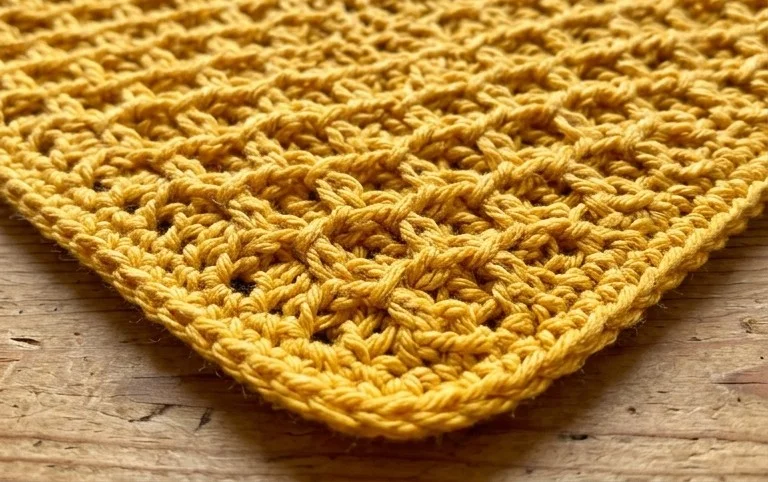
Your new handmade dishcloth provides a reliable and scrubbing-ready tool that beats any mass-produced sponge in your kitchen. You might consider using a variegated cotton yarn for your next one to highlight the geometric honeycomb pattern in a bold way, or simply increase the chain count to build a larger washcloth for the bathroom. I love seeing how these turn out in different color palettes, so please share a photo of your finished work online. Feel free to browse the rest of my site for more free crochet patterns that focus on practical home goods.